


The Allure of Risk and Reward
The thrill of casino gaming is deeply rooted in human psychology, particularly the allure of risk-taking behavior. Gamblers are often attracted to the unpredictable nature of games, where the possibility of losing is countered by the potential to win big. This dynamic creates an adrenaline rush that can be both exhilarating and addictive. Additionally, many players enjoy exploring online casino nz options that offer unique experiences, as the brain releases dopamine, a neurotransmitter associated with pleasure, every time a player experiences a win, reinforcing the desire to keep playing. This cycle of risk and reward becomes a compelling draw, as individuals chase the high of winning.
Moreover, the design of casino environments plays a crucial role in manipulating psychological triggers. Casinos are often designed to be visually stimulating, with bright lights, sounds, and a carefully controlled atmosphere to enhance excitement. This sensory overload can impact decision-making, leading players to make impulsive choices. The juxtaposition of the potential for large payouts against the fear of losses creates a unique psychological tension that keeps players engaged. They are caught in a cycle where the fear of missing out on a win drives them to continue gambling.
This connection between risk and the brain’s reward system highlights why many find themselves drawn to gambling. The excitement associated with wagering money can create a euphoric state that overshadows rational thinking. Additionally, social factors come into play, as players often gamble in groups, reinforcing behaviors through shared experiences. The collective energy can amplify the emotional highs, creating a sense of community around gambling activities that further fuels participation in casino gaming.
The Role of Cognitive Biases
Cognitive biases significantly influence how players perceive odds and outcomes in casino games. One prevalent bias is the gambler’s fallacy, the erroneous belief that past outcomes can influence future events. For example, a player may think that a slot machine is « due » for a payout after a series of losses, leading them to gamble more than they intended. This disconnect between probability and reality can lead to excessive losses and a distorted sense of control over the game. Players may not recognize that each spin or hand is an independent event, which complicates their understanding of risk.
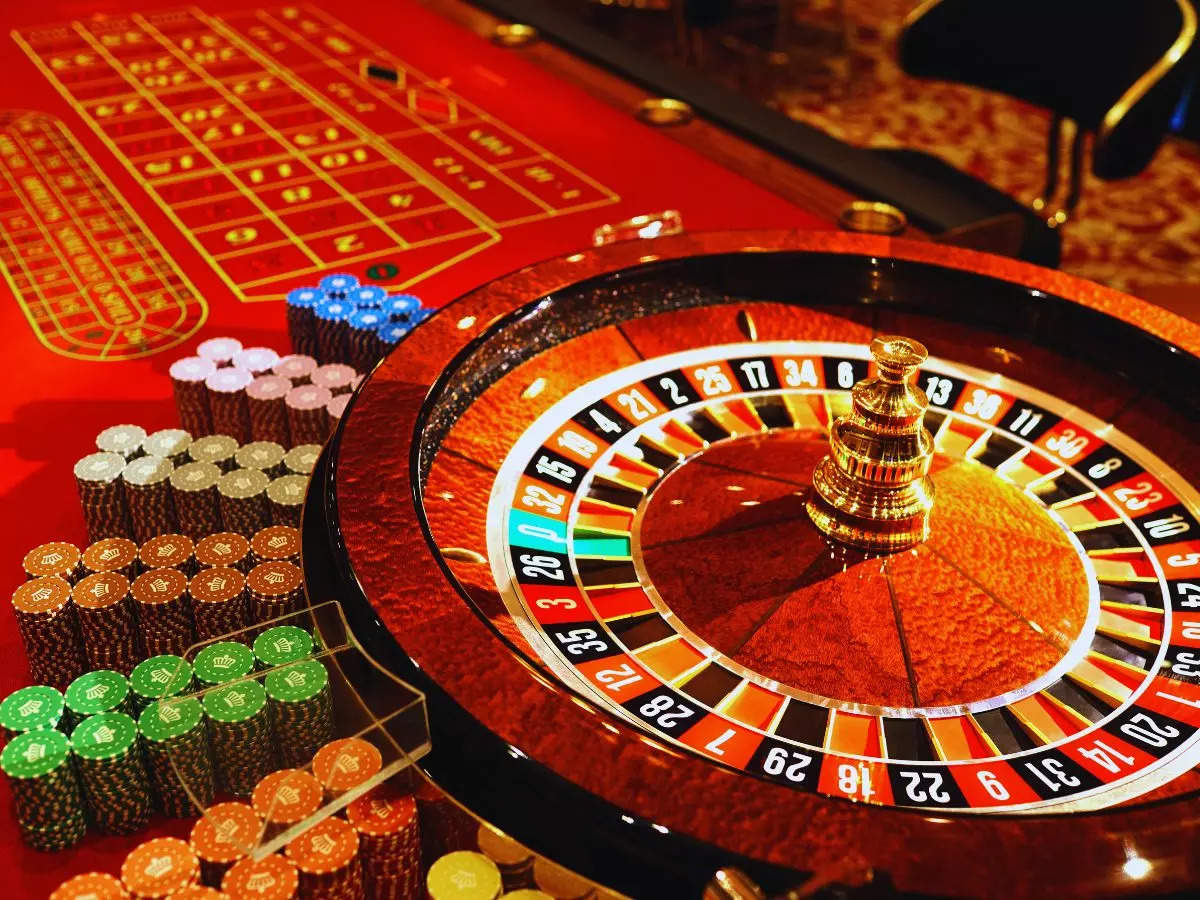
Another important cognitive bias at play is the illusion of control, where individuals believe they can influence outcomes in games of chance. This belief is especially common in games like roulette or blackjack, where players may develop strategies that they think will improve their odds. The illusion of control can create a false sense of confidence, encouraging more frequent gambling. In reality, this belief often leads to greater losses, as players continue to gamble under the assumption that they can steer their fate in their favor.
Additionally, casinos exploit these biases in their marketing strategies. They often highlight winners and create narratives around individual success stories to entice new players. These stories can amplify the perception that winning is common, further perpetuating the gambler’s fallacy and encouraging individuals to engage in risky behavior. By understanding these cognitive biases, we can better appreciate how psychological factors shape gambling habits and decisions in casino environments.
The Emotions of Winning and Losing
The emotional rollercoaster that comes with casino gaming plays a pivotal role in the overall experience. Winning can elicit feelings of elation and accomplishment, creating a powerful emotional high that players seek to replicate. This euphoric state can create a feedback loop, where the excitement of a win entices players to return for more, often leading them to overlook the losses incurred. This emotional attachment to winning can cloud judgment, pushing individuals to chase losses in the hope of recapturing that original thrill.
Conversely, the psychology of losing can be profoundly impactful. Losses can lead to feelings of frustration, despair, and even guilt. Many players grapple with the idea of « loss aversion, » a concept in behavioral economics that suggests individuals feel the pain of loss more acutely than the pleasure of an equivalent gain. This emotional turmoil can prompt players to increase their gambling in an attempt to recover lost money, further entrenching them in a cycle of loss and gambling. The blend of hope and despair creates a compelling emotional narrative that keeps players returning to the gaming floor.
Furthermore, casinos often incorporate body language and social signals that heighten these emotional experiences. The atmosphere of excitement and tension can be infectious, as players feed off each other’s enthusiasm. Celebrating wins together or commiserating over losses can enhance the emotional stakes involved in gambling. This social dimension, combined with the emotional highs and lows of gaming, contributes to the powerful psychological draw that casinos exert over their patrons, making it a unique form of entertainment with complex emotional implications.
The Impact of Social and Cultural Factors
Social interactions and cultural contexts significantly influence gambling behavior. Casinos often serve as social spaces where individuals come together, blurring the lines between gambling and socializing. The communal atmosphere encourages players to engage in games as a shared experience rather than merely an individual pursuit. This social aspect can enhance enjoyment and create a sense of belonging, making the casino experience more appealing. Friends and family gatherings in casinos can turn into bonding events, which further normalizes gambling within certain cultural circles.

Cultural attitudes toward gambling also shape individual behavior. In some cultures, gambling is embraced as a form of entertainment and celebration, while in others, it is viewed negatively. These perceptions can affect how individuals approach gambling, including their willingness to participate and the amount they bet. For example, in cultures where gambling is seen as a leisure activity, individuals may feel more comfortable experimenting with different games, while in more conservative environments, stigma may discourage participation. These cultural narratives play a pivotal role in framing how individuals perceive their own gambling behaviors.
Additionally, societal influences, such as advertising and media portrayals of gambling, can mold perceptions and expectations around casino gaming. Glamorous depictions of winners in movies or on social media can create a fantasy that overshadows the reality of the odds. This idealization can further entice individuals to engage in gambling, often leading them to underestimate the risks involved. The interplay between social dynamics, cultural perceptions, and media representation creates a multifaceted backdrop for understanding gambling behavior, demonstrating that psychology is fundamentally embedded in the context of casino gaming.
Understanding Responsible Gaming and Resources
When engaging with the psychological aspects of casino gaming, it is crucial to consider the concept of responsible gaming. Many casinos now promote awareness initiatives that encourage players to gamble within their means. These initiatives often include resources for self-assessment, setting limits, and recognizing signs of addiction. Understanding the psychological triggers and behaviors that lead to problematic gambling is essential for creating an environment that prioritizes player safety. Casinos aim to educate individuals about the importance of balance and moderation, fostering a healthier relationship with gaming.
The role of support systems cannot be overstated in the context of responsible gaming. Various organizations and helplines offer assistance to those struggling with gambling addictions. These resources provide emotional support, practical advice, and tools for recovery. They help individuals navigate the complexities of gambling, underscoring the significance of addressing the psychological factors that contribute to compulsive behavior. By emphasizing the importance of seeking help, these initiatives contribute to a broader understanding of gambling as a public health issue.
Ultimately, responsible gaming is about recognizing the intersection of psychology and gameplay. By promoting awareness, resources, and open conversations about gambling, players can better understand their motivations and behaviors. This understanding not only aids in reducing the risks associated with addictive gambling but also helps individuals develop a healthier relationship with casino gaming as a whole. Encouraging responsible practices ultimately leads to a more sustainable and enjoyable gaming experience, where players can appreciate the entertainment value without succumbing to the pitfalls of compulsive gambling.