


The evolution of gambling a historical perspective on games of chance
The Origins of Gambling
The roots of gambling can be traced back to ancient civilizations, where evidence suggests that games of chance were played as far back as 3000 BC. Archaeological findings from sites in China and Mesopotamia reveal the use of rudimentary gaming instruments, such as dice made from animal bones. In these early societies, gambling often served not just as entertainment, but also as a means for divination, helping individuals make decisions or predict future events. Today, many players are drawn to sites like http://jeetcitycasinoca.com/slots.html, which feature a wide variety of modern slot options.

As societies evolved, so did their gambling practices. In ancient Egypt, board games that involved elements of chance emerged, reflecting the cultural significance of luck and fate. The Egyptians played games like Senet, which was not only entertaining but also intertwined with their beliefs about the afterlife. This blend of leisure and spirituality laid the groundwork for gambling as a complex social activity.
The ancient Greeks further refined gambling, introducing organized betting on various sports and competitions. They established laws regulating these activities, which hints at the growing recognition of gambling as a significant societal component. The Romans took this evolution a step further by integrating gambling into their public spectacles, showcasing its popularity and embedding it into the fabric of their culture.
The Middle Ages to the Renaissance
The Middle Ages saw a shift in gambling practices, particularly in Europe, where it became associated with the feudal system and the nobility. Knights engaged in gambling during tournaments, and various card games began to emerge as pastimes among the upper classes. However, gambling also faced scrutiny from the Church, which viewed it as a vice. This tension led to fluctuating legal frameworks governing gambling activities during this period.
The invention of playing cards in the late 14th century marked a significant turning point in gambling history. Originating in Asia and making their way to Europe, cards allowed for a variety of new games that blended skill and chance. As these games gained popularity, establishments like taverns and gaming houses began to emerge, creating spaces dedicated to gambling and further normalizing the activity among the populace.
The Renaissance period heralded a renewed interest in arts and sciences, and gambling was no exception. Games like baccarat and blackjack began to take shape, laying the foundation for the modern casino games we recognize today. The casino as a physical space also emerged during this time, providing a venue for social interaction, entertainment, and, of course, gambling.
The Rise of Modern Gambling
The 18th and 19th centuries marked the proliferation of gambling across Europe and America, driven by the establishment of formal casinos. The first casino, the Casino di Venezia, opened in Italy in 1638, and soon others followed suit across the continent. These venues offered a variety of games, attracting both the wealthy elite and the general public, thereby democratizing gambling.
In the United States, gambling found a home in cities like New Orleans and later Las Vegas. The Gold Rush in the mid-1800s saw a surge in gambling activity, with prospectors and settlers flocking to the West. This era birthed iconic games like poker, which became synonymous with the American gambling culture. The Wild West also popularized the image of the gambler as a rugged individual, further romanticizing the activity.
The introduction of slot machines in the late 19th century revolutionized the gambling landscape. These machines offered a new way for individuals to engage in games of chance, leading to a surge in popularity. The combination of simple mechanics and the allure of winning money appealed to a broad audience, resulting in the rapid expansion of gambling establishments and the eventual rise of online gambling platforms in the late 20th century.
The Digital Age of Gambling
The advent of the internet in the late 20th century transformed gambling into a global phenomenon. Online casinos emerged, allowing players to engage in various games from the comfort of their homes. This innovation democratized access to gambling, making it available to a broader audience. Players could now explore a myriad of games, from traditional table games to innovative slots, all with the click of a button.
With the rise of mobile technology, gambling became even more accessible. Players could now gamble on their smartphones and tablets, ensuring that the thrill of chance was always at their fingertips. This shift not only changed how people interacted with gambling but also led to the development of new games designed specifically for mobile platforms, enhancing user engagement and retention.
Moreover, regulatory frameworks began adapting to this new landscape, with many governments developing laws to oversee online gambling. This evolution has led to a more secure environment for players, offering protections that were often lacking in traditional gambling venues. The digital age has truly redefined the parameters of gambling, blending technology and chance in unprecedented ways.
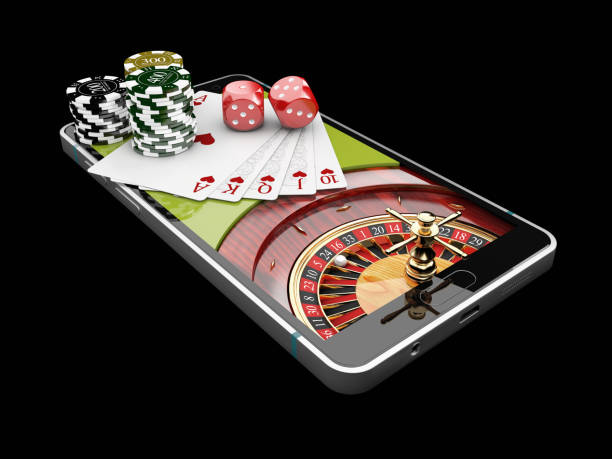
JeetCity: A Modern Gambling Experience
JeetCity represents the next step in the evolution of gambling, offering players an extensive selection of gaming options. With over 7,000 slot titles from leading developers like Pragmatic Play and NetEnt, JeetCity caters to a diverse range of player preferences. The platform provides classic slots, modern video slots, and progressive jackpots, ensuring that every player finds something that suits their taste.
One of the key features of JeetCity is its user-friendly interface. The platform offers practical filters that allow players to navigate the vast catalog easily. Additionally, the option to play in demo mode enables users to test games without financial commitment, making it an ideal choice for beginners looking to explore the world of online gambling.
As a forward-thinking platform, JeetCity also emphasizes mobile compatibility, allowing players to access their favorite games on iOS and Android devices seamlessly. With attractive promotions and a commitment to providing high return-to-player (RTP) slots, JeetCity is dedicated to offering an engaging and rewarding experience for Canadian players, solidifying its place in the modern gambling landscape.